Impact & Results
Since its inception, i58 Movement has provided consistent, long-term support to children, families, and the wider community in Cazucá, Soacha—an area characterized by high levels of poverty, displacement, and social vulnerability.
Our work has evolved in response to the changing needs of the community, expanding from child-focused programming to holistic family and community support.
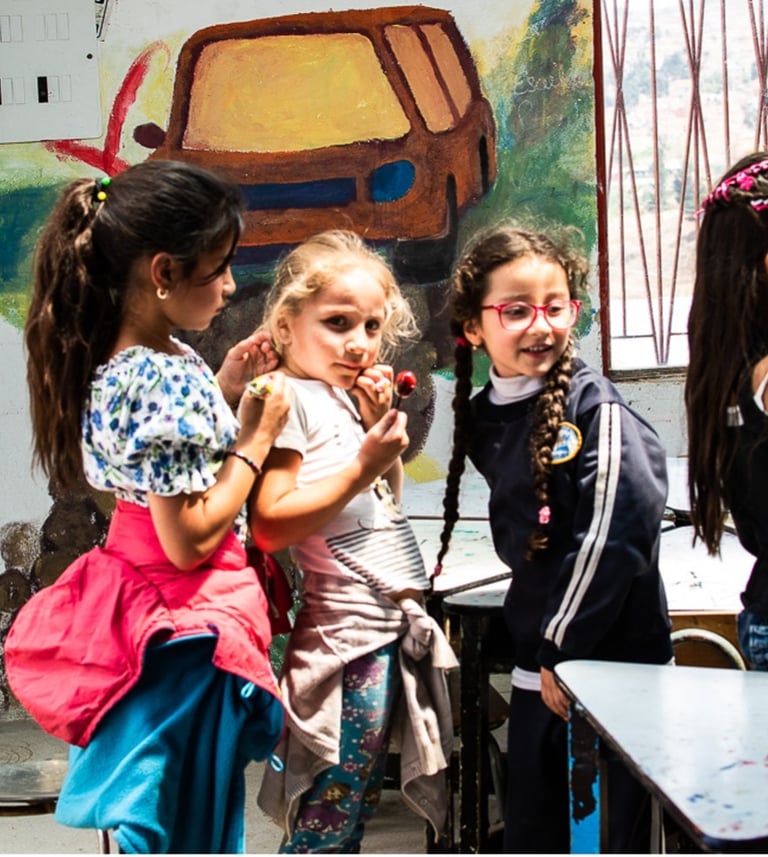
Providing daily access to structured programs for approximately 60 children.
2017: Foundation and Early Engagement
• Delivered activities and workshops to over 200 children, three times per week
• Provided regular meals and hosted community celebrations for participating children
• Organized excursions to theme parks, cinemas, and recreational spaces, expanding children’s exposure beyond their immediate environment
• Delivered English classes twice per week to all participating children
2018 – 2020: Strengthening Core Support Systems
• Established structured academic support programs to improve educational outcomes
• Expanded nutrition support to address food insecurity
• Facilitated periodic health checks through partnerships with medical professionals
2020 – 2023: Crisis Response and Continuity During the Pandemic
• Delivered food and hygiene support to hundreds of vulnerable families across Bogotá
• Maintained a structured, specialized learning program throughout COVID-19 lockdowns
• Operated as one of the only consistent educational support spaces available to children during this period
• Continued provision of meals, educational support, and wellbeing activities despite significant external challenges
2023 – Present: Expansion and Community Development
• Launched preschool programs for children not currently accessing formal education
• Conducted workshops for parents and caregivers to strengthen family support systems
• Partnered with external organizations to deliver workshops in employability, legal advocacy, and essential life skills
• Providing daily access to programs for approximately 60 children
Results Snapshot
Since its inception, i58 Movement has achieved:
• 60+ children supported daily through structured programming
• 200+ children engaged in early program stages (2017)
• Hundreds of families supported through food, hygiene, and emergency assistance
• Continuous program delivery during COVID-19, maintaining 100% operational presence
• Multiple students transitioning from high-risk environments into sustained education pathways
• Ongoing family engagement resulting in increased stability and access to opportunities
• A number of children who entered the program at ages 5–6 have progressed through their education and successfully graduated from high school
• Several graduates have transitioned into employment or income-generating opportunities, supported by long-term program engagement and community networks
Contextual Comparison
Children growing up in contexts of poverty, displacement, and exposure to violence face significant barriers to completing their education and accessing employment opportunities.
In Colombia, particularly in vulnerable communities, school dropout rates can exceed 60%, and many young people do not progress beyond basic education. Additionally, a significant proportion of youth do not transition into further study or stable employment, particularly those from low-income backgrounds.
Against this context, the outcomes observed through i58 Movement’s programs are significant.
A number of children who entered the program at ages 5–6 have progressed through their education and successfully graduated from high school, with some transitioning into employment or income-generating opportunities.
These outcomes reflect not only improved educational engagement, but a meaningful shift in long-term life trajectories for children growing up in high-risk environments.
Education and Stability – Johan
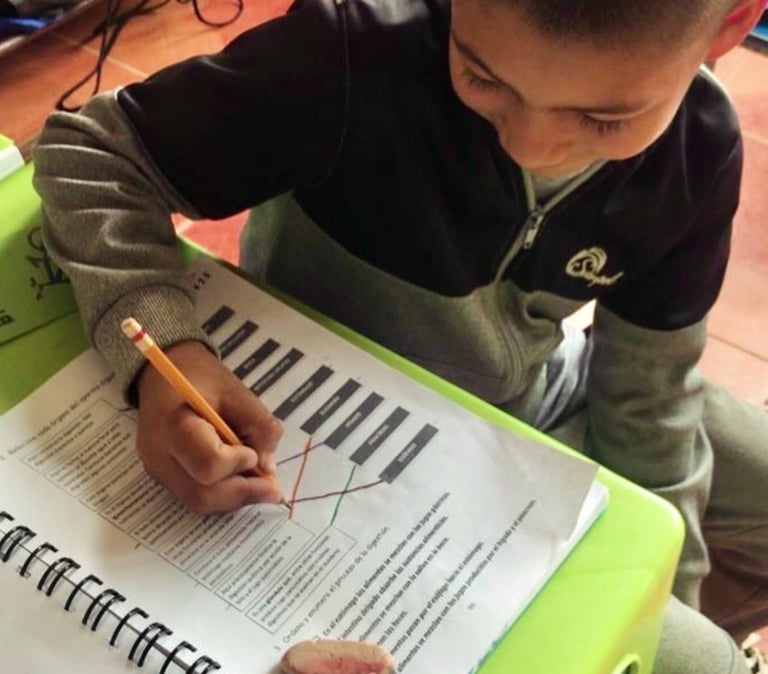
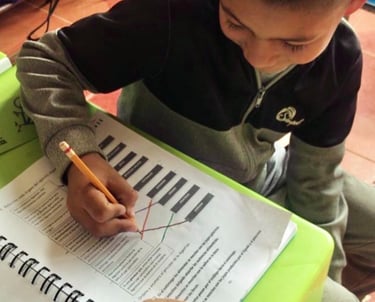
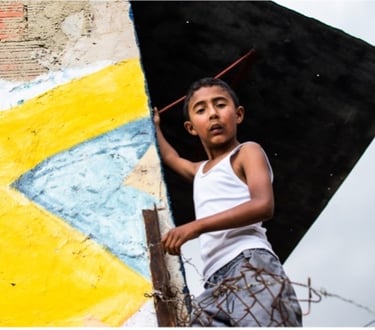
Johan entered the program facing significant challenges, including irregular school attendance, low academic performance, and limited engagement in structured activities. He was at risk of disengaging from school and spending increasing time in high-risk environments within the community.
Through consistent participation in i58 Movement’s programs over a sustained period, clear improvements were observed:
• School attendance increased from inconsistent participation to regular daily attendance
• Academic performance improved, particularly in literacy and core subjects
• Program participation increased to consistent engagement (4–5 times per week)
• Behavioural challenges decreased, with improved relationships with peers and staff
Family Stability and Opportunity – María José
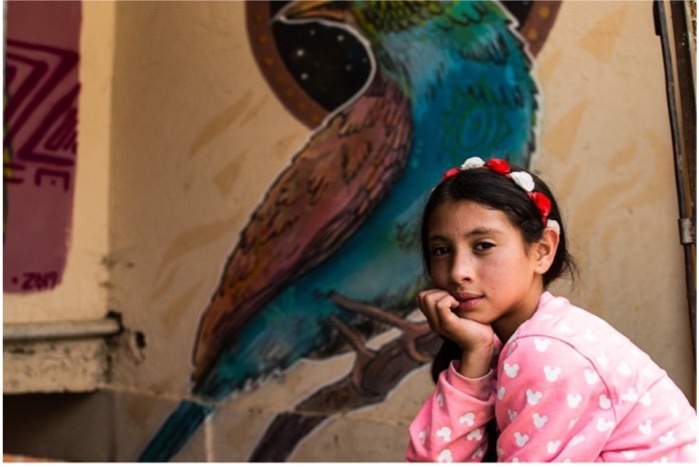
María José and her family became engaged with i58 Movement while facing significant economic instability, limited access to employment, and inconsistent support for their children’s education. The household faced ongoing challenges that affected both the wellbeing of the children and their ability to remain engaged in school.
Through sustained engagement with the program, measurable improvements were observed:
• Children maintained consistent participation in education and daily programming (4–5 times per week)
• Access to food and essential support improved overall household stability
• Family engagement with the program increased, including participation in workshops and community activities
• Parents accessed support networks that contributed to income-generating opportunities
Long-Term Transformation and Leadership – Susana
Susana first arrived at our program in conditions of high vulnerability. She appeared undernourished, lacked access to basic hygiene, and struggled to build healthy relationships, often displaying aggressive behaviour toward peers and staff.
Over the next seven years, Susana became a consistent participant in the program, attending activities regularly and engaging in structured support. Through sustained mentorship and a stable environment, significant changes were observed:
• Behavioural incidents reduced, with improved emotional regulation and peer relationships
• School engagement increased, moving from at-risk of expulsion to consistent participation
• Academic performance improved, with positive feedback from school staff
Key Outcomes
• Improved school engagement and retention among participating children
• Increased social and emotional development, reflected in behaviour and peer relationships
• Reduced exposure to high-risk environments through consistent program participation
• Strengthened family stability through ongoing support and community engagement
• Long-term engagement has supported children to progress from early childhood participation through to school completion and transition into employment pathways
Human Impact: Stories of Change
The following case examples illustrate how these outcomes are experienced at an individual and family level. While each story is unique, they reflect consistent patterns observed across children and families who engage regularly in the program.
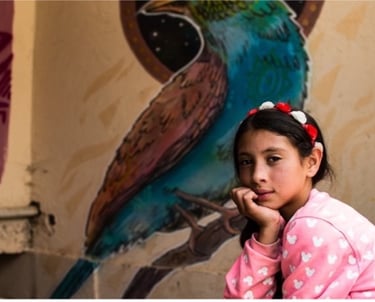
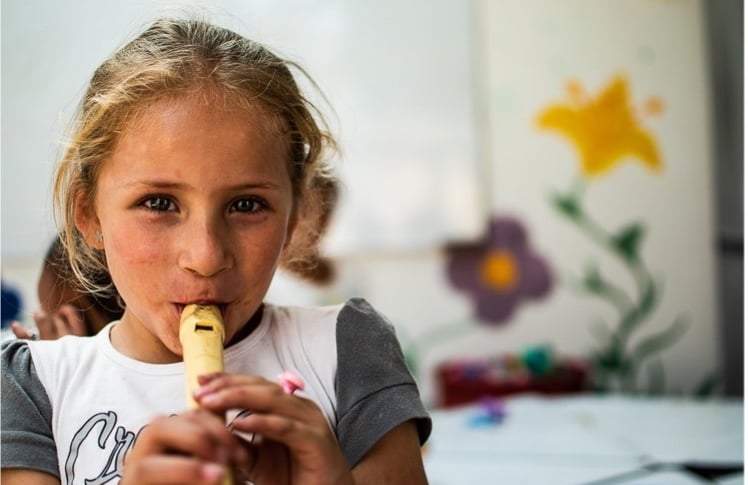
As a result, Johan remained in school and progressed through his education, demonstrating increased confidence, stability, and engagement in learning.
His development reflects the role of consistent structure, mentorship, and safe environments in reducing exposure to high-risk contexts and supporting long-term educational outcomes.
This experience reflects patterns observed across children who engage consistently in the program.
As a result, the family experienced increased stability, stronger engagement in their children’s development, and improved access to opportunities within the community.
María José’s experience highlights the importance of addressing both individual and family-level challenges to create sustainable, long-term impact.
This experience reflects patterns observed across families who engage consistently in the program
Her three older brothers also engaged with the program, with all successfully completing high school—becoming the first in their family to do so.
The impact extended to the family unit. Susana’s mother became employed within the program for nearly six years, and her father contributed through maintenance and infrastructure support—strengthening household stability and income opportunities.
Today, Susana is a student leader within the program. She supports younger children in their development, demonstrating leadership, responsibility, and a commitment to giving back to her community.
Her story reflects the long-term impact of consistent support, structured intervention, and strong community relationships.
This experience reflects patterns observed across children and families who engage consistently in the program.
Connect
Join us in making a difference today
contact@i58movement.com helpinghumanityltd@gmail.com
© 2025. All rights reserved.
Contact Us
Socials
i58 Movement
Helping Humanity Ltd